Area Rugs are the perfect accent for your new Hardwood!
Accent your Hardwood with Area Rugs.
More and more of us are choosing hard surface products for our homes. Harwood and Tile make up the bulk of most purchases for new homes. Why not accent those floors with Area Rugs? You can use Rugs for warmth and color. If your find your new floors are a little louder then you care for Rugs can help reduce the noise factor.
Determining the proper size for a rug is just as important as finding the right color and pattern. At ProSource we can help you with the dimensions for your particular area as well. Keep in mind that we also offer custom-sizing for hard-to-fit areas and these can be made from every product we sell from High End Wool, Sisal, Cut and Loop Patterns or even Shag.
Here are some dimensions to keep in mind for the Dining Room, First measure the length and width or diameter of the table. The recommended allowances are 30″ for side chairs and 36″ for armchairs. Rugs should extend beyond the chairs in the pulled out position to allow room to get in and out of the chair comfortably.
Define your spaces within your Living Room. The size and shape of your rug can help determine and define furniture groupings as well as intended areas of use, such as conversation areas.
Rugs can help define your area.
Multiple rugs can link one room to another. Furniture can be centered on the rugs or positioned off the rug depending on the size of the room and feeling you are after. Companion rugs can be of different patterns, but should share a similar color palette.
Custom Rugs help with the ability to flow from one room to the next.
In bedrooms, one large rug is luxurious, but the bed will cover most of it. Smaller equal-sized rugs used around the bed are another option. The soft comfort of a rug is most appreciated when stepping in and out of bed.
Don’t let your bed cover your Area Rugs!
In hallways, the length is optional. Try to place a runner rug so it does not end in the middle of a doorway. In a very long hall, several small runners can work. They do not have to match but the colors should coordinate.
Wool Carpet has innate stain/soil resistance so that chemical stain resistance treatments are not necessary. Wool’s unique fiber structure of overlapping, hard, microscopic scales (much like roof shingles), make it durable and hard wearing while inhibiting dirt adhering to the fiber and giving significantly better soil release than other fibers. Wool is one of the most forgiving and easiest fibers to clean and maintain. It does not attract lint so vacuuming is easier. In wet cleaning, the fiber swells and releases dirt particles.
A simple pattern that creates the perfect combination of style and beauty. The simplicity of this merino wool product relates well to all design statements.
Godfrey Hirst a top manufacturer of fine carpet chooses WOOL is its fiber of choice for the North American market. The wool fiber production process consists of The Natural Elements…Sun, Rain, Grass and Sheep. No artificial ingredients needed, no artificial ingredients added.
Wool is natural..
Wool shorn from sheep is completely natural. It is composed entirely of amino acids, the building blocks of life.
Wool is sustainable..
It is produced from a totally renewable resource – grass – and is thus environmentally sound
Wool is renewable..
Sheep can be shorn every 9 – 12 months. New Zealand sheep are renowned for producing the best carpet wools available.
Wool is biodegradable..
In soil, wool readily biodegrades to produce nitrogen, sulfur, carbon dioxide and water, which are all plant nutrients.
Wool carpet is naturally stain and soil resistant..
The wool fiber’s structure consists of overlapping scales, arranged much like roof shingles. These scales inhibit dirt from adhering to the fiber and help fleck it away. Wool has significantly better soil release than any other fiber. Wool cleans better, making stain protection unnecessary.
Wool carpet is naturally crush-resistant..
The wool fiber is naturally curly, and it has more crush resistance than any other fiber.
Wool carpet is hypo-allergenic..
Wool is non-allergenic and does not promote the growth of dust mites or bacteria.
Wool carpet by Godfrey Hirst is affordable..
Godfrey Hirst is one of the largest wool manufacturers in the world, so it can provide an exceptional selection of value priced carpets.
Wool will last throughout the years. Its superior properties assure quality, function and design.
IT’S NOT NICE TO FOOL MOTHER NATURE
THINGS YOU SHOULD KNOW:
THE DIFFERENCE BETWEEN WOOL AND SYNTHETIC FIBERS
Wool is a natural product while synthetics are manufactured from man-made chemicals. Wool is the only authentic naturally sustainable carpet fiber.
Wool fiber is not only renewable and very durable, it is also low toxic and biodegradable. These are rare qualities in carpet fibers considering most petrochemical based fibers can include over 100 chemicals and be a source of indoor air quality problems.
Natural wool is one of the most durable carpet materials, lasting 25 to 50 years.
The soft look and rich feel of wool is still unmatched by any man made fiber and can be more affordable than you think.
Wool carpet is indeed a long lasting luxury carpet.
Wool production compares favorably with the manufacture of man-made fibers in regards to energy consumption utilizing under one-fifth of the energy of nylon manufacturing.
Wool is a natural fiber that synthetics strive to emulate.
Wool resists and releases soil more easily, is crush resistant, absorbs noise and noxious gases from the air, resists odor, and resists fire more than other fiber choices.
Wool carpet is safe for your family.
Merino Wool is the perfect blend of science and nature, not only as a high performance fiber, but also
because it is luxuriously soft. The softness that Merino wool brings to carpet in no way diminishes
performance. As in all wool, Merino wool is natural,sustainable, renewable and biodegradable. Merino
wool carpet is naturally stain, soil and crush resistant. Enjoy the uniqueness that Merino Wool brings to your carpet.
A truly renewable source for flooring comes from the environment.
A Brief History of Merino Wool
The history of Merino wool dates back to the 1200’s, when the Moors crossbred Spanish sheep with Berber sheep to produce the first Merino sheep. By the 1600’s wool from Merino sheep was recognized as the world’s finest wool, as it is still today. Merinos of all types were introduced into Australia in the late 1700’s. Through selection and crossbreeding, and with particular attention to the impact of the environment on both animal and fleece, the Australian Merino that we now know evolved.
Carpet and Rug Care Guide available here –> Carpet and Rug Institute (this will open a PDF Document)
How do I know what I am getting when I shop for Hardwood Floors?
When we start shopping for Hardwood floors the first thing we notice is how confusing this is going to be. There are thousands of choices. We have at least 25 different companies that manufacture hardwood floors and each of those have a minimum of 10 SKU’s {stock keeping units} with probably 3-5 different colors per line. There are at least 100 different species of wood rated on Wikipedia’s Janka Scale. So why not just buy the cheapest and end this madness?
Bella Cera Estate Collection, La Martine
We have all seen the Television Advertisement or received a mailer describing unbelieveable deals for Hardwood Flooring. They might say something like this:
Hardwood for .99 ¢- Really?
The purpose of these ads and their companies is to reduce their cost so they offer ridiculously low prices by sacrificing quality and workmanship. Often when we take our time to actually be lured into these ridiculous gimmick’s we find that there is not enough stock available for my particular job, or the color is so ugly that nobody in their right mind would purchase it.
They products might seem similar to the untrained eye but are they really the same product? I was taught at a young age that anything that seems to good to be true, probably is. Let’s take a look at how to invest your money wisely when shopping for your new hardwood floors.
Acacia Walnut Hardwood gives a very unique look to any home.
Floor Finish
Floor finish is a critically important step for hardwood flooring. The finish must be durable and elastic to resist scratching and wear, without clouding the natural grain and color of the wood. A poor floor finish can make even the most beautiful wood look dull.
Quality hardwood flooring has a high-quality floor finish, with a fine transparency that accentuates the natural beauty of the wood grain. Cheap hardwood floor finishes obscure the natural grain of the wood with a cloudy coating; scratches on the wood floor make this whitish coating readily apparent. Cheap hardwood floor finishes are also inconsistent in color, and can have rough surfaces with small raised bumps.
Hardwood Floor Creaking
With quality hardwood flooring, the gap between the “tongues” on board edges and the grooves they fit into is less than 0.15 MM. This tight attachment eliminates the creaking you find with cheap hardwood flooring when it is walked upon.
Precision Milling
Quality hardwood flooring is milled using expensive, high-end machines for extreme precision and consistency in height, length, width, edges and ends. Bargain flooring is manufactured using less expensive and precise machines, resulting in gaps between board edges and ends, as well as differences in thickness.
Floor Glue Safety
Quality hardwood flooring uses Taier E1 glue between layers, with a very low level of formaldehyde. Bella Cera flooring, for example, conforms to CARB, with a formaldehyde level far below its guidelines. Vapors from cheap glues can be harmful to your health!
Engineered Flooring
Good quality engineered hardwoods use a veneer core with higher-quality tropical woods alternately layered in a crisscross pattern, for superior weight-bearing strength and screw-holding ability. The gap between each layer should measure less than 1mm. A quality engineered floor has higher density and is more durable than cheap plywoods, regardless of how similar they look on the surface. Learn about engineered flooring vs. solid wood flooring here.
Wear Layer
With quality hardwood flooring, you can count on the exact thickness claimed for its wear layer. But as thinner wear layers are less expensive to produce, cheap flooring is often found to have a wear layer that is thinner than what is claimed.
Longer Wood Plank Length
Long planks are more expensive to produce, but make a more beautiful floor. Short boards can look like shoeboxes when placed in a floor. Cheap wood flooring typically includes too many short planks, with boards as small as one foot in length. But quality hardwood flooring uses longer planks. Bella Cera, for example, includes boards up to seven feet in length, with the average being over three feet.
I wanted to take just a minute to shamelessly promote what I think is a very worthwhile cause with one of our Hardwood Manufacturer’s Product. It’s called: Homes For Our Troops.
Armstrong Floor Products is the exclusive flooring supplier to Homes for Our Troops, a national non-profit organization that builds specially adapted homes for severely injured veterans.
Through 2013, a portion of the sales from the American Scrape collection will support Homes For Our Troops, including the Armstrong product donation for 30 – 35 homes to be built across the country.
We assist severely injured Veterans and their families by raising money, building materials and professional labor, and by coordinating the process of building a home that provides maximum freedom of movement and the ability to live more independently. The homes provided by Homes for Our Troops are given atNO COSTto the Veterans we serve.
The Estate Collection with 2″ and 8″ Planks makes an awesome statement!
As hardwood flooring dealers see demand rise, so too does ProSource’s ability to deliver new finish and customization options at wholesale prices. Our hardwood flooring now features an appealing selection of hand-carving, borders, medallions and accents. And hardwood’s color palette has expanded to include exotic offerings like pink, yellow, white, purple and black.
Hardwood Flooring is an Investment You Can Trust
Ask any hardwood flooring supplier – a quality hardwood floor isn’t just an aesthetic investment; it also helps boost a home’s selling price. And that’s what helps make our flooring showrooms’ hardwood departments a key destination point. With so much to offer, hardwood flooring is a tough option to beat.
Hardwood Flooring types
Hardwood flooring comes in two varieties: engineered and solid. Solid is the most common choice and best suited for higher-grade installations. It consists of one-piece boards that are generally nailed to a sub-floor. Most are unfinished, thereby allowing customers, the hardwood flooring supplier or distributor to apply a variety of colors and finishes.
Engineered hardwood is comprised of two or more layers of wood that have been laminated together, the top being a veneer and the bottom a softer wood backing. The top wood veneer comes pre-finished and the overall system gets glued to the subfloor or even concrete, making it better-suited for below-grade and basement installations.
This is a question I rarely hear while helping people decide which floorcovering is the right one for them. I will bring maintenance and cleaning into the discussion but it rarely seems to be a huge concern. Maintenance and floor care should be the first concern and color and aesthetics should follow. I have lived on many different flooring products and I believe that Ceramic or Porcelain Tile is the easiest and require the least amount of effort to maintain. Let’s look at different types of flooring and the maintenance involved.
We will tackle the hardest first. Carpet. Most people don’t even want to look at carpet because they are never taught how to care for it. If proper care and maintenance id followed for carpet it can be the greatest floor product. Abuse it, neglect it, and you will become frustrated and aggravated and change it out sooner then you should have. By price, carpet should be your most affordable option so a little extra cleaning by Professionals would be a wise investment. Your local ProSource Wholesale Floorcoverings Store probably has many Members that are the finest in their field when it comes to getting Carpet Cleaned or stubborn stains removed. Also when purchasing new carpet, consider investing in a Prime Urethane Padding with a moisture proof barrier, this is some of the cheapest insurance you can take out on your new purchase.
It’s nice to be able to sit on soft inviting, clean carpet.
What about Pets?
Even with pets, proper cleaning makes carpet easier to live on
General care
Regular vacuuming is the key to keeping carpet beautiful and new-looking – for heavy-traffic areas vacuum every day if possible and once a week for the rest of the carpet.
Many types of cleaners are available when needed, including dry cleaners, spray-on foam cleaners and wet shampoo. Whichever you choose, make sure it is made for carpets. Always test a cleaner on a small inconspicuous area of the carpet first. Avoid anything meant for hard surfaces such as wood or tile. When choosing a professional carpet cleaner, ask for a reference and/or a firm estimate.
Treating spills
Act immediately! Don’t let the spill set or it might never be removed. Remember these three steps:
Apply-a damp white paper towel soaked in a cleaning solution to the spot (see list of solutions below); never wet the carpet through to the backing.
Blot-press straight down with a white paper towel-DO NOT RUB; place a 1/2″ thick pad of white paper towels with a weight on top and leave overnight if necessary
Scrape-from the outside edge of the spot toward the center
Cleaning solutions to be used to treat spills include:
Detergent-mix 1/2 tsp. clear dishwashing detergent with one cup warm water
Pre-soak-mix 1 tsp. enzyme laundry product (such as Axion or Biz) with one cup water
Hydrogen peroxide-mix 1/2 cup hydrogen peroxide (3% strength, available in drug stores) with 1 tsp. household ammonia. Use within two hours.
Ammonia-undiluted household ammonia
Dry powder cleaner
Dry cleaning solvent-non-oily, non-caustic type sold for garment spot removal (caution: may be flammable)
Again, test on a small inconspicuous area first.
When you know your specific stain and need extra help follow the guidance from this Stain Removal Guide. Using the proper method always produces the best result.
Porcelain tile is resistant to germs and bacteria and it is also among the easiest of flooring materials to clean. You can clean your porcelain tile with a damp sponge mop. A solution of 1/4 cup of white vinegar to 2 gallons of water works best – allow time for drying. You can also sweep or vacuum.Although porcelain tile is by definition impervious, it is still possible for its surface to discolor. The following instructions explain how to clean porcelain tile surfaces.
Glazed Tile:
For glazed porcelain tiles, use the following instructions for general cleaning:
Sweep or vacuum loose dirt and dust from the floor. An untreated dry dust mop is recommended instead of a broom.
Mop the floor with a mild cleaning solution (do not use wax, oil-based, or abrasive cleaners).
Rinse the tile thoroughly with clean and clear water.
Drying is also recommended – to increase the shine and to prevent water spots.
Textured Tile:
A textured porcelain tile surface requires additional cleaning procedures. A standard wet-mopping will not effectively clean a textured surface. For cleaning textured surfaces, follow these instructions:
Sweep or vacuum dust and debris from the floor. When sweeping, use a soft-bristle broom and sweep in 2 directions. First follow the direction of the tile, and then sweep diagonally. This will ensure the removal of all foreign material that might be residing in the texture.
Saturate the tile with a neutral cleaning solution, such as vinegar, with hot water and stir. Allow the cleaning solution to remain on the floor 5 – 10 minutes. Scrub the floor with a brush; again using a two-direction method.
Rinse the floor with clean, clear water to remove the cleaning solution.
For high traffic locations, it is recommended to clean the floor at least once per day and wet mop at regular intervals.
Always Remember:
Do not clean porcelain tile flooring with ammonia or with cleaners that contain bleach and/or acid. Acid and ammonia based cleaners may modify grout color.
Do not use wax, oil-based, abrasive cleaners, or sealants.
Agents that contain any dyes or colors are not recommended.
Use rugs at entrances to prevent dirt and grit from being tracked onto the tile flooring from outdoors.
Do not use steel wool pads, because loose steel particles may create rust stains in the grout.
What about dirty or stained Grout Joints?
My favorite products for cleaning tile are made by: Custom Building Products. Your local ProSource should have access to all their products. They are very easy to use and by following their instructions you should be able to solve all your cleaning woes.
STRIPPING OR HEAVY SOIL BUILDUP: Mix 1 part cleaner to 2 partswater.Apply solution to surface with mop or sponge. Allow to dwell 3 to 5minutes for cleaning, or 5 to 10 minutes when stripping waxes orfinishes. Agitate with synthetic mop, scrub brush, or scrub machine. Donot allow solution to dry on surface. Mop up dirty solution. Rinsethoroughly with clean water.
Laminate has been the rave for durable flooring for a long time now. Remember, dirt and dust are the enemy. The small particles will act like sandpaper between your feet and the flooring surface. A good dust mop and regular vacuuming will help keep your floors looking beautiful much longer then anything else you do.
Mannington Elmhurst Alabaster Laminate Flooring
How to clean Laminate Flooring:
Use a damp cloth to blot up spills as soon as they happen. Never allow liquids to stand on your floor.
For tough spots, such as oil, paint, markers, lipstick, ink, or tar, use acetone/nail polish remover on a clean white cloth, then wipe the area with a damp cloth to remove any remaining residue.
Sweep, dust, or vacuum the floor regularly with the hard floor attachment (not the beater bar) to prevent accumulation of dirt and grit that can scratch or dull the floor finish.
Periodically clean the floor with cleaning products made specifically for laminate floor care. For optimum results.
Do not wash or wet mop the floor with soap, water, oil-soap detergent, or any other liquid cleaning material. This could cause swelling, warping, delamination, and joint-line separation, and void the warranty.
Do not use steel wool, abrasive cleaners, or strong ammoniated or chlorinated type cleaners.
Do not use any type of buffing or polishing machine on your laminate floors.
For spots such as candle wax or chewing gum, harden the spot with ice and then gently scrape with a plastic scraper, such as a credit card. Be careful not to scratch the flooring surface. Wipe clean with a damp cloth.
A more frequent dust-mopping or vacuuming schedule may be required in very sandy areas such as a beach home.
Armstrong’s Canyon Slate – Available through your local ProSource
Here are some ideas I borrowed from Armstrong to help keep your Laminate looking good for a long time.
The versatility of laminate flooring is what makes it a favorite with homeowners who want a beautiful floor that’s long-lasting and easy to clean. To get the performance you want from your laminate floor, follow these simple steps.
Routine cleaning for your laminate floor
Your scratch resistant laminate floor is extremely durable, but everyday dirt and grit could eventually lead to fine scratches that can dull the surface. Regularly dust mop or vacuum laminate flooring with a soft brush or wood floor attachment to pick up dust and grit. You can also use a slightly damp mop for spot cleaning.
Clean up liquid spills as soon as they occur with a cloth or sponge. Don’t allow excess liquids or wet areas – including your pet’s water bowl – to pool on the floor or they may stain or damage your floor’s protective wear layer.
For occasional thorough cleaning, use a well-squeezed mop dampened with Armstrong Hardwood & Laminate Floor Cleaner or Bruce® Hardwood & Laminate Floor Cleaner. A light mopping is all you need!
Don’t use soap-based detergents or “mop and shine” products as these can leave a dull film on the surface of your laminate floor.
Caring for your laminate floor
Your beautiful Armstrong laminate floor is extremely scratch- and impact-resistant, but it’s not indestructible. Maximize the durability of your laminate floor by following these care and maintenance tips.
Place a natural material mat or a mat that won’t fade or bleed color at outside entrances to collect tracked-in dirt and absorb excess moisture.
Use protective felt pads under furniture legs and appliances. As a general rule, the heavier the item, the wider the floor protector should be to prevent indentation.
Avoid wearing high heels or shoes with cleats on your laminate flooring, and keep your pets’ nails trimmed.
When moving furniture, don’t slide pieces across a laminate floor. If possible, carefully lift heavy items when repositioning them. Or use a wheeled dolly after first placing a clean sheet of smooth plywood or large, heavy cardboard over your laminate floor to protect it.
If you expect an area of your laminate floor will be subjected to heavier than normal foot traffic, use an area rug.
Occasionally, rearrange furniture to avoid indentation.
Make minor nicks or scratches disappear with a color-matched correction kit, such as Armstrong’s Laminate Floor Touch-Up Kit.
Be sure to check the manufacturer’s warranty for additional care instructions and recommendations.
As you can see, it doesn’t take much time or effort to ensure your beautiful laminate floor will look and perform its best year after year.
Twenty years ago when I started in flooring choosing tile was much easier. We had 8×8 for the floors and 4×4 for the walls. Maybe 6 colors for the floor and about the same for the wall. But today the options are enormous, at ProSource Wholesale Floorcoverings we have a minimum of twenty Vendors with over a hundred SKU’s (stock-keeping unit) with multiple sizes and colors in each one.
Large Format Tiles are very much in Style right now and the trend seems to be getting larger. We see sizes anywhere from 12×24, 20×20 and 24×24. Some of the Rectangular tiles are coming even larger. I have also been seeing more Vendors showing some wood look tiles in 6×36.
A lot of the questions I hear are usually about the size of the room. Most people think their rooms are too small for a large tile. My rule of thumb is that I like to get at least three tiles across. any fewer and I believe you loose the beauty of the tile. You can’t see the patterns or shade variances very well with fewer then three tiles. I really like the larger body tiles. One of my favorite things is that if you have more tile on the floor, you must have less grout joints.
With Tiles that come in larger formats they tend to have a lot more varying sizes which will allow you to make different patterns. I use a three tile pattern fairly often, but depending on the sizes available there are many different Design possibilities.
Some advantages of having large format tile installed include;
1.Narrow grout joints – rectified, large format tile allows for thinner grout joint widths
2.Easier maintenance – it is typically much easier to clean the face of tile than it is to clean grout.
3.Room size perception – the perception is that large tile makes the room in which it is installed appear larger
But large-format tile also has its installation challenges. Working with large-format porcelain tile requires closer tolerances in the subfloor, its weight makes it harder to handle in both floor and wall applications. Advanced installation materials and techniques have improved the overall quality of large-format tile installations while helping to improve the installer’s efficiency. Keeping up with the latest in products and techniques will help installers produce aesthetically pleasing – and profitably installed – walls and floors.
In order to get a quality Installation, you need an Installer who knows how to lay large format tile and is willing to take the time necessary to do the job correct. This means they need to be familiar with ANSI Standards and proper Installation Techniques. A large format Porcelain Tile does require a more level and flat surface to be installed on and may not be used in every application. If my floor was not level enough to use a large format tile, I would fix that issue first anyway. To find a quality Tile Installation Crew call your local ProSource Wholesale Floorcoverings Store and see if they could provide you with names of individuals that could handle your project. ProSource has hundreds of Members that are first rate, quality Installers, and the Member could allow you to purchase at Wholesale Prices through their Account. Each Member at ProSource has Automatic Price Protection, guaranteeing you the lowest price everyday!
I like to use a 12×24 for a shower wall or bathroom floor. Glass Lineal Mosaics make a great accent in the shower using 12×24’s vertically.
Staircases always seem to pose a difficult point in deciding flooring options for a home. There are a lot of things to consider when choosing the flooring for a staircase. One of my most popular options is to choose a carpet from one of the thousands of options in the showroom and custom make a stair runner with coordinating Area Rugs and Hall Runners. At ProSource Wholesale Floorcoverings you can choose products from 250 top manufacturers – Great products from brands your clients ask for by name, like Masland, Fabrica, Stanton, Milliken, just to name a few.Usually when planning a Staircase with a Carpet we have to order more carpet then needed because of waste and the Area Rugs cost practically nothing more then the binding charge.
A beautiful pattern carpet runner on this staircase is complimented by the area rug in the dining room.
When ever I start with a Client in the Showroom, my first question is usually, “Who will be using the Staircase?” If it is younger children or older adults safety becomes my chief concern, stairs can be very slippery with the wrong product on them. If your stairs have not been built yet, here are some ratios for safety when planning your staircase:
Safety First
The horizontal distance from the front to back of the tread is called the run, and the vertical distance is the rise. As you will have noticed from the staircases you’ve walked on, the rise and run can vary. Rise-to-run ratio. The total of the rise and run should add up to 17 inches. Practically speaking, this means that as the run gets shorter, the rise should get steeper for the stair to feel comfortable as you walk. There are limits, of course. A rise of more than 8¼ inches is going to be too steep for many people.
Matching your existing hardwood with a painted riser gives a very clean visual.
Another concern is what products do the stairs meet at the top and bottom of the staircase? In my own home I have two different tiles at each end of the stairs, a darker tile is in my Kitchen upstairs and lighter tile downstairs in our Family Den. I chose a dark hardwood and I am in the process of looking for the perfect runner to incorporate down the middle.
The bound edges of a classy carpet make a nice runner and landing on hardwood.
Design and color always play one of the largest concerns when planning your stairs. Why not have a little fun? I have always liked hardwood on the tread with decorative hand painted tiles on the riser. It adds life to any staircase.
Hand Painted Tiles add spice to any staircase
One of my favorite options when budget is a large concern is for a Patterned Carpet. It gives the staircase a clean and elegant look and holds up well under traffic.
A tight nylon, patterned carpet will hold up well on a busy staircase.
You may be hearing about a product called LVT and most consumers aren’t really sure what this is or why I would want it in my home?
Let’s look at what LVT or Luxury Vinyl Floor is. People hear the words vinyl floor and immediately turn their nose up at it, I don’t want Linoleum, it’s ugly and dated! Take note, this is not your Mother’s Linoleum Floor. Wow, that was some ugly stuff!
Wow, sheet vinyl can really be ugly.
Another term we could use to describe LVT would be Resilient Flooring, but I don’t think that most people would find that appealing so the Industry termed it “LUXURY” Vinyl Flooring, much classier huh? At any rate you will be the one who ultimately decides whether or not this product is a keeper. Like any newer product in the market that is doing well with consumers, every Tom, Dick and Harry have decided to make one, so let’s see what really matters. We call it “resilient flooring” for a reason. These flooring products hold up incredibly well under the most trying conditions. It’s a major part of what makes resilient flooring the most popular hard surface flooring in the U.S. and growing.
Resilient flooring is designed to be durable, resistant to stains and water, and comfortable to stand and work on. There are a wide range of styles within this category, at a range of price points from very affordable to more expensive luxury brands of flooring. Many flooring stores stock resilient products, and they typically provide samples for interested customers to examine.
The most common types of resilient flooring are made from materials like cork, vinyl, linoleum, and rubber. These materials are all known for being extremely sturdy, and they also possess a natural springiness, especially when installed over a sprung subfloor. Springy flooring is much more comfortable to stand on, making it a popular choice for kitchens, hospitals, retail stores, and other environments where people spend a lot of time on their feet. Cork and rubber are especially good for this, providing support and a springy surface that is enjoyable to walk on.
Another common trait of this flooring is resistance to stains, which includes food, dirt, and liquids. Some floors are treated with an upper layer of wax to make them even more stain resistant and easier to clean. This flooring also resists penetration by water, making it less likely to become a breeding ground for mold and mildew, which can make a home unhealthy to be in. It also reduces the risk of damage to the subfloor.
Why choose LVT?
Durable
Does this product dent easy? If I drop a can of Peas will it leave a dent?
No!
We call this Static Load, or how much weight can I put on this product that will leave an indentation longer then 24 hours: Here is the standard for LVT ~ In terms of static loading on the flooring, ASTM F970 Standard Test Method for Static Load Limit is the testing standard that applies. This test method is used to determine the recovery properties of resilient floor covering after a 24 hour indentation test under a specified load. The resulting value indicates residual indentation which is the depth of the depression still remaining 24 hours after the specified load is removed. It is realistic to specify up to 2000 psi load performance with minimal or no indentations remaining. 2000 Ponds per Square Inch, that’s a lot of weight folks.
Even Aunt June from Kokomo in her stiletto high heels might not dent this!!!
Washington Metropolitan Area Transit Authority uses Resilient flooring in their rail cars.
Stylish
Resilient flooring products come in all kinds of different colors, patterns, textures, and designs to suit a wide variety of styles and preferences for both residential and commercial applications. From Realistic Hardwood, to Natural Stone and Slate
Armstrong’s has some of the most realistic Tile Patterns available.
Sustainable
While not a Green Product it is easy on the environment. From the materials used in manufacturing…to the installation, maintenance, and removal of the product, resilient floors are designed to be easy on the environment – protecting the indoor air quality of the building while preserving the planet. One of the reasons healthcare facilities choose resilient flooring over other materials is because of its major sanitary advantages. These flooring products are not only easier to keep clean but are also tested for slip-resistance and designed for better IAQ (Indoor Air Quality) Here is an EPA study on Vinyl and the Environment.
$100 says you can’t find a better price on Flooring!
I have $100 that says you can’t beat our prices!
While starting out around $1.00 per Square Foot, it’s not just the lower initial cost that saves you money. With easier maintenance, longer lifecycles, and simpler removal and replacement, resilient flooring means a lower cost of ownership throughout the life of the floor.
Versatile
From laboratories to libraries, and kitchens to classrooms, resilient flooring works well in all kinds of different residential and commercial environments. Its versatility makes it a favorite choice for architects, designers, builders, and homeowners. I have used this product on my back staircase and it holds up to everyday wear and tear. With two 100 pound dogs coming and going everyday it’s easy to sweep and keep clean, as well as good slip resistance.
Safety
Slip resistance is always a safety concern for flooring, particularly in high foot traffic areas, it is the surface characteristics that are important when it comes to simply slipping on any flooring materials with a variety of results possible. ASTM C1028 – 07e1 is the Standard Test Method for Determining the Static Coefficient of Friction for a variety of tile types. Building codes, ADA, and OSHA all indicate minimum levels of slip resistance based on this or similar standards for walking surfaces and particularly in egress corridors. Of course a variety of factors can come into play on slip resistance, but the basic make-up of the flooring should be acceptable to begin with. Vinyl flooring can indeed meet those demands both through the inherent slip resistant qualities of the material itself and the potential for surface treatments. Therefore, specifying flooring that meets or exceeds the minimum standards is clearly possible and recommended.
Handicapped Accessibility
The Americans with Disabilities Act (ADA) establishes specific requirements for barrier free environments including unobstructed paths of travel along walkways and floors. Much of this has been codified in American National Standard ICC A117.1 (the Accessibility Standard) which is appended to most building codes as the prescriptive requirements to achieve such barrier free environments. Chapter 3 of this Standard specifically addresses Floor Surfaces. Section 302 indicates that flooring must first be stable, firm and slip resistant. Luxury Vinyl Tile readily meats all of these criteria, and the surface can be properly slip resistant.
When thinking about what flooring choices you have for your project why not consider carpet? Too often Clients want to do Hardwood throughout their home, really? How boring!! Carpet is warm and inviting and always feels more welcoming then hard surface products like Hardwood or Tile.
Carpet is more Family Friendly!
Do you want to get get down on the floor and play?
Experience the huge selection of residential commercial carpet that only a leading carpet distributor like ProSource can deliver. Each of our carpet Showrooms features a huge selection of residential and commercial carpet spanning a wide range of colors and styles. From traditional and simplistic designs to the most elegant and luxurious offerings available, select the carpet flooring that best suits your needs – all at reasonable wholesale prices. Visit our carpet Showrooms to see custom colors and quality products from carpet manufacturers all over the world.
A Pattern Carpet always adds a unique and personal touch!
There are many styles, patterns, and colors when chosen correctly can make any room come alive! You can use carpet for certain themes and ideas you may have for a particular room or area of your house.
What a perfect way to set the theme of this room!
What About My Closet?
What a place to have fun. Usually when I am helping Clients select flooring for their Remodel Job or New Construction Home we use this as an opportunity to go crazy. Define yourself or your particular space just for you. Throw caution to the wind and have some fun, from Animal Prints to Bold Colors their is no Faux Pas here.
A subtle pattern with the right color hues just makes this closet so elegant!
It’s your closet, let loose and see what happens!
A bold pattern in a striking color is so dramatic!
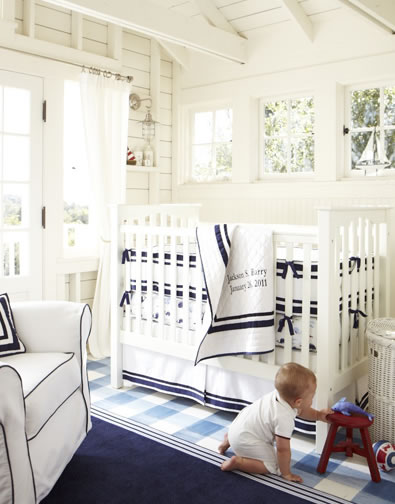
The Nursery is the perfect room for Carpet!
Another area of the home where I think carpet is overlooked is in the Nursery. Carpet is warmer and quieter then any other product you could select.
Warm and Quiet ~ Carpet is the perfect option!
Carpet is much softer for play time.
Why does Carpet have to be boring all the time?
When choosing the right carpet let your imagination run free. We get so locked in to boring beige plush carpet, it doesn’t need to be that way.
Bold Diagonal Stripes make an awesome statement!
A nice subtle pattern is the perfect anchor for this Living Room. Choose colors that blend and patterns that accentuate other pieces of furniture in the room.
The wood tones in the furniture just tend to pop on this beautifully patterned carpet.
There is a perfect pattern just for you, get out their and find it!
Pattern Carpet says more then Hardwood ever could.
Not many stores would have this many selections with the multiple Styles, Colors and Patterns. Check with your Contractor,Builder, Interior Designer and see if you could use the Showroom at ProSource Wholesale Floorcoverings. With over 140 Locations surely you have one near by?
How do we choose a good tile for our home? We all want to get the most “Bang For Our Buck” when it comes to our home remodel projects. Let’s face it, they can get financially out of hand quick if we are not careful. So today I want to look at shopping for Ceramic or Porcelain Tile and how to distinguish one from another. This is even difficult for most {especially untrained} Sales People. Let’s begin with how tile is rated:
When we choose the right the tile the whole room comes together.
Tile Ratings & Terms
All tile products are tested and rated based on a variety of factors so that you are sure to find the right product to meet your needs.
Abrasion (Wear) Resistance: This is the degree to which a tile’s surface (often a glaze) will withstand the wear of foot traffic, measured in PEI ratings. These ratings range from very low (Class 0 = wall use only) to higher wear ratings such as Class IV for heavy traffic (suitable for all residential and most commercial applications).
Breaking Strength: The strength of porcelain comes from unique clays, fired at extreme temperatures, which produce a harder, denser tile for unmatched durability and performance. Breaking strength is assessed by how much weight is needed to cause breakage. Porcelain tile surpasses the industry standard of 250 lbs.
Mohs: This is a scale of hardness ranging from 1 (talc) to 10 (diamond) used to determine a material’s scratch resistance. Porcelain tile often has a rating of 7, 8 or 9, while other, less scratch resistant non-porcelain tiles are rated at 5 or 6. In the Moh’s scale, each rating is 10 times harder than the previous number. For a point of reference, natural granite is usually 6 or 7.
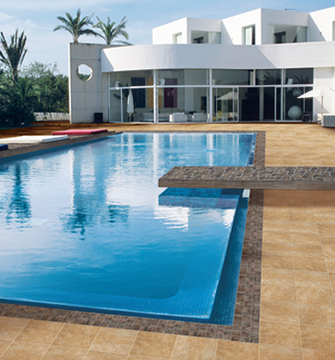
Water Absorption: Water absorption is conveyed as the percentage of water absorbed by the body of the tile. Porcelain tile is ideal for wet-area applications such as tub surrounds, showers and any area where water may be present because it is “impervious” to water with a rating of 0.5% water absorption or less. Notably, the more impervious the tile, the more frost resistant, meaning it can be used outdoors. Be sure to check product specifications.
Tile used outdoors will require a higher slip resistance that most indoor tile.
Dynamic Coefficient of Friction (DCOF): Dynamic Coefficient of Friction is the latest, most reliable measure for indicating slip potential on a tile’s surface. Porcelain tile must have a DCOF of 0.42 for “level interior floors expected to be walked upon when wet” (as stated on the Tile Council of North America website). This new measure replaces the 0.6 reference that was formerly the standard for the industry.
Shade Variation: The color and details of porcelain tile may vary from piece to piece and from run to run. While manufacturers often have proprietary methods for conveying the anticipated variation for tile products, most reference terms such as “low shade variation” for very little color or design change from tile to tile and “high shade variation” to denote dramatic differences from tile to tile. It’s important to be aware of shade variation prior to installation to avoid surprises. Likewise, it’s recommended to work from multiple boxes of tile to achieve a favorable mix.
Slate looks tend to have more variation from tile to tile.
Through-body: This refers to the presence of color throughout the thickness of a tile. Some tile only has color on the top surface glaze; others have partial through-body color.
Porcelain tile outperforms other tile types on tests of strength and absorption.
The most important issues for most Home Owners start with Style, Color, and Patterns.
Large Format Tile
Large format tiles are extremely popular in today’s décor. Many Manufacturer’s product’s are available in large sizes up to 24″x24″. The beauty of the big size is that it creates an open field with less grout line. Whether you’re tiling a small bathroom or a sizable family room, consider using large format tiles to create a feeling of natural space.One of the most popular sizes I sell is 12×24 for a very Contemporary look.
12×24’s give a very unique look to any room.
Color Options
Today’s tiles come in a diverse array of color palettes. Neutral and subdued or rich and opulent – no matter your color needs, ProSource Wholesale Floorcovering’s has the right selection for you.
With more options than ever before, it’s important to answer some key questions prior to selecting your tile.
Does the space have natural, overhead or ambient lighting?
Is this a heavy traffic area?
What other elements exist in the room’s décor? Is there wallpaper, lots of furniture or a dominant color scheme?
With these questions answered, select a tile color (or colors) that complements your overall décor. Softer, neutral tones may be the right contrast to busy patterns on walls or upholstery, to create a more open feel for the room. Deep colors may add warmth to a large space or help to showcase light wood furniture or fabrics. The professionals at ProSource can always help you with your Design decisions.
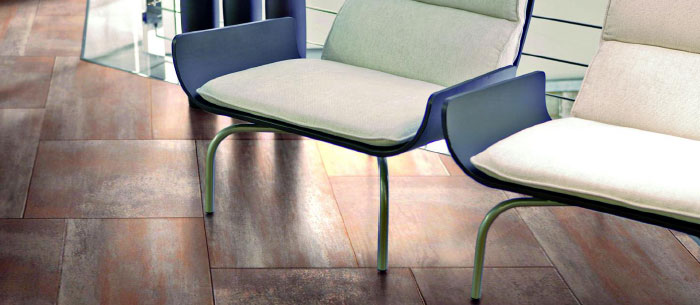
Metallic finishes have unique highlights in their color variation.
Custom Patterns
Tile patterns mix colors and sizes to achieve clever designs that create an air of custom style. Create custom patterns using contrasting light and dark tiles or contrasting finishes. Frame the tile flooring with a border of mosaics or liners for an area rug effect. Mix modular sizes to add an unexpected touch of whimsy to a kitchen floor. The possibilities are endless.
New Wood Look Porcelains make a great addition to any Kitchen!
Today the Laminate Industry has come a long way in making products that are more appealing then in the Days when Pergo first came to the United States in the early 1990’s. There are many options in thickness, style, sound, color, etc. So the dilemma I am constantly hearing is: “Which floor should I choose? Laminate or Hardwood?”
Today’s Laminate have a much more real look, feel and sound.
Armstrong: Sapele Long Plank – Wrought Iron 12.30 mm Laminate Wood Look
Laminate has it’s place and I will usually show it if the budget dictates, and that isn’t always true the nicer looking laminates in the market are priced similar to hardwood. Another reason you might choose laminate is if you wanted a more “Green” Product. Laminate in most cases can be more environmentally friendly.
Check out these environmental facts about Laminate:
Laminate flooring is inherently eco-friendly but not all products make the cut. The NALFA certification seal is proof that a laminate floor is sustainable and is built with these qualities:
It’s made with natural resources like wood chip fiberboard
It’s recyclable
It’s free of air-damaging chemicals
It complies with formaldehyde emissions regulations for laminate flooring core board set forth by the California Air Resources Board (CARB) sections 93120-93120.12, title 17, of the California Code of Regulations
It is comprised of recycled content that may contribute points to the Leadership in Energy and Environmental Design (LEED) standards for homes and businesses
It requires no special glues or adhesives during installation (eliminating VOCs) and no special cleaners for proper cleaning and maintenance (improving air quality)
Wood flooring is the most abundantly renewable flooring material available. Sustainable forest management makes it possible to harvest wood without any serious impact on the environment, because trees are a renewable resource that can be replaced time and time again.
Check out these environmental facts about Wood Floors:
Average annual net growth for hardwoods is greater than average annual removals (Source: US Department of Agriculture Forest Service)
Indoor air quality is better with wood floors (Source: US Environmental Protection Agency)
Wood is a carbon neutral product that produces oxygen during its growth cycle and stores carbon during its service life (Source: University of Wisconsin Wood Products Program Solid Wood Flooring Life Cycle Analysis)
Wood floors use less water and energy to produce than other flooring options (Source: University of Wisconsin Wood Products Program Solid Wood Flooring Life Cycle Analysis)
At the end of its service life, wood flooring can be burned as fuel or recycled (Source: University of Wisconsin Wood Products Program Solid Wood Flooring Life Cycle Analysis)
Wood floors last hundreds of years, so won’t need to be replaced as often as other flooring options (Source: National Association of Home Builders)
While it takes most hardwood trees 40-60 years to mature, the inventory planted today won’t be needed for 100-plus years (Source: National Wood Flooring Association)
You can learn more about the environmental benefits of wood floors by downloading a copy of the University of Wisconsin Wood Products Program Solid Wood Flooring Life Cycle Analysis.
Hardwood gives much better re-sale value to your home. In today’s tough real estate market, sellers are looking for any edge they can find to help sell their home fast. For many sellers, hardwood flooring can help. Across the country, 99% of real estate agents agree that homes with hardwood floors are easier to sell. And, 90% agree that they sell for more money. In many cases a homeowner can double their return on investment by installing hardwood floors. You can’t get a much better bang for your buck than that. With today’s finishes the average lifespan of a hardwood floor is 30 years, so whether you are selling or plan to stay a while, hardwood is always the better option.
Armstrong: Acacia – Natural 4.72 in. Engineered Hardwood Plank
So, what do we need to look at? Durability, dent resistance, wear layer, moisture resistance, they are all traits that might make us choose one over the other.
Laminate:
Laminate Flooring has four layers: a wear layer, a design layer, an inner core layer and a backing layer.
Wear layer – clear top layer that protects the floor from stains and fading Design layer – a photographic image of wood, stone, brick or ceramic Inner core – plastic resin that keeps the laminate stable and flat Backing – creates a moisture barrier that protects the floor from warping
This layered construction makes laminate floors remarkably durable.
Engineered Hardwood:
Engineered wood floors are real wood floors that are manufactured using three to nine layers of different wood veneers. The sub layers can be of the same species, or of different species. The grain of each layer runs in different directions, which makes it very stable. This means that the wood will expand and contract less than solid wood flooring during fluctuations in humidity and temperature. The top layer of engineered wood flooring consists of high-quality wood. While this type of flooring can be sanded and finished, it cannot be done as many times as solid wood flooring. Engineered wood flooring can be installed above, on or below grade.
One of the most critical elements about either of these products is installation. Many products say DIY, and that sounds wonderful. Neither are any easier to install and I have installed both. Laminate is sold as easier for a Do-It Yourselfer, but I disagree. I found that gluing down my Hardwood floor was much easier then laying my floating laminate floor. to each his own I guess. If you are not up to the challenge and need a reputable company to install your laminate, ProSource Wholesale Floorcoverings has many Members that could assist you with your project and let you buy direct through their account.








 life (Source: University of Wisconsin Wood Products Program Solid Wood Flooring Life Cycle Analysis)


